

Moray Golf Club: Courses, History, and Trip Planning

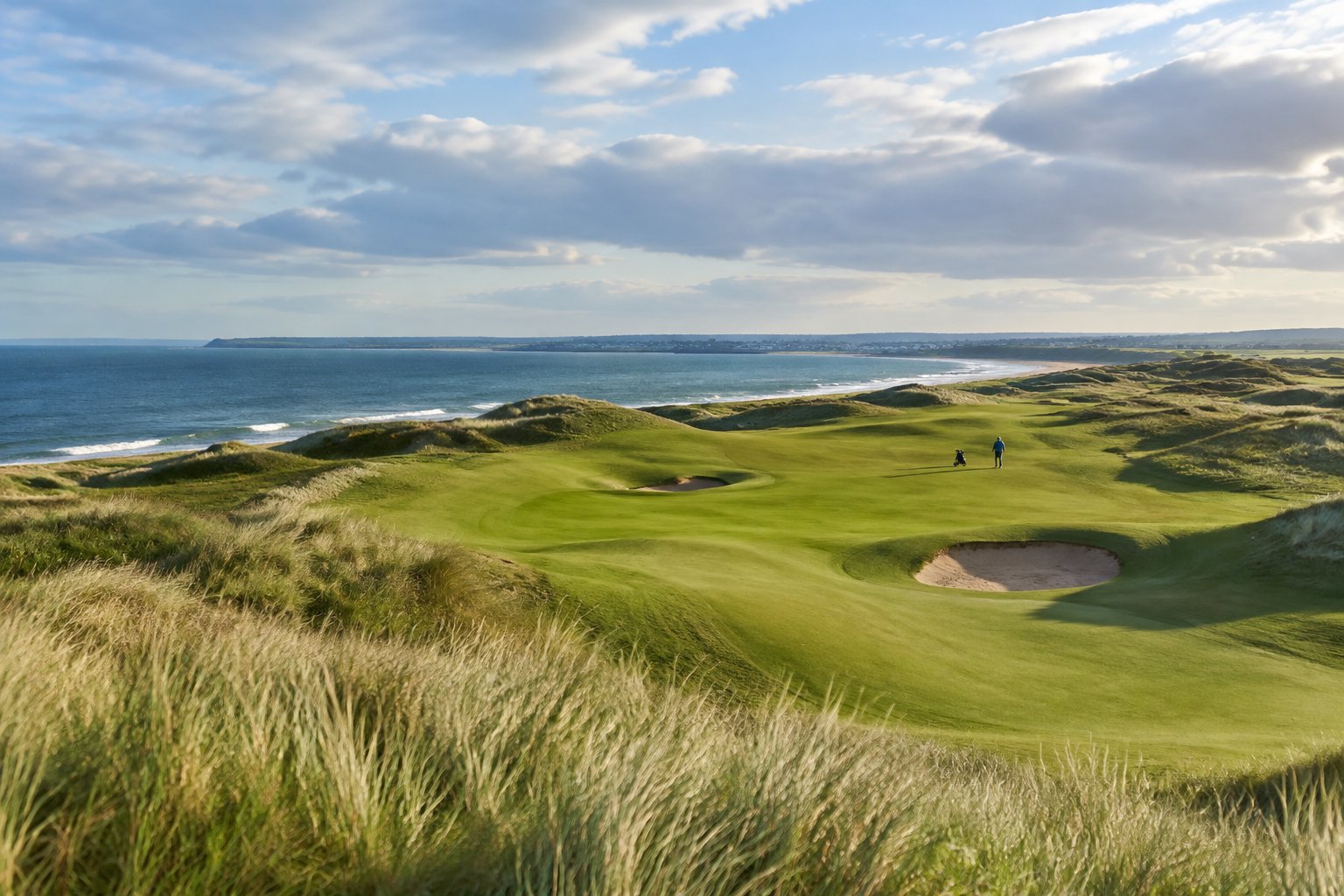
Lossiemouth sits on the south coast of the Moray Firth, a fishing town where the dunes roll straight down to the sea and the golf has been played much the same way for well over a century. Moray Golf Club, founded in 1889, offers two contrasting eighteen-hole links courses, the Old Course by Old Tom Morris and the New Course by Sir Henry Cotton, making it one of the few clubs in Scotland where visitors can play two major architects in a single day. That alone makes it worth building a trip around.
What draws golfers north to Moray isn’t only the quality of the turf. It’s the sense of a club that has stayed true to its roots while quietly earning a reputation among players who know their links golf.
Where Is the Club, and What Makes Its Courses Distinctive?
Moray Golf Club sits in Lossiemouth, on the south shore of the Moray Firth in the county of Moray, within a short drive of Inverness and the Speyside distilleries. Two courses share the same stretch of coastline but play very differently, shaped by different hands and different eras of golf design.
Lossiemouth and the Moray Firth Setting
Lossiemouth is a working fishing town rather than a resort, and that gives Moray Golf Club an honest, unpolished charm. The course land sits between the town and the sea, with the Moray Firth providing the backdrop on nearly every hole. RAF jets occasionally pass overhead from the nearby base, and Covesea Lighthouse watches over the course from a distance, both reminders that this is a working landscape as much as a golfing one.
The Club’s Origins in 1889 and Old Tom Morris’s Old Course
The club opened on 30 March 1889, laid out on land leased from Captain James Brander of Pitgaveny, with an initial sixteen-hole layout later developed into the full eighteen. Old Tom Morris designed the Old Course, and more than 130 years on, it remains a traditional out-and-back links: holes running toward the sea and back again, following the natural contours rather than imposing on them. The round finishes in what the club calls a natural amphitheatre, with the final green sitting right below the clubhouse terrace. The Old Course plays to a par of 71 over 6,671 yards and has hosted the Moray Open and the club championship since the early 1900s.
Henry Cotton’s New Course and Its Contrasting Challenge
Sir Henry Cotton, a three-time Open Champion, laid out the New Course, which opened in 1979. It offers a firmer, more strategic test than the Old, with narrower margins for error and a different rhythm to its holes. Playing both in the same visit gives golfers a genuine sense of how links design has evolved across ninety years, from Old Tom Morris’s natural routing to Cotton’s more calculated use of wind and ground.
Clubhouse Heritage and Golfing Traditions
The clubhouse has a history worth lingering over. Moray was founded in the 1880s during a boom in Speyside whisky, fishing and tourism, and the club still lays down its own casks from local distillers, bottled for members and visitors alike. Open Champions, prime ministers and local fishermen have all played these fairways, and that mix of grandeur and grounded local character still defines the welcome today.
How Can Visitors Arrange a Round?
Visitors can book tee times directly with Moray Golf Club by phone or through its online reservation system, with green fees for 2026 ranging from £50 for a winter round on the New Course to £180 for both courses in summer. Planning ahead matters here, particularly in the warmer months when the open tee sheets that Moray is known for still fill up.
Choosing Between the Old Course and the New Course
Golfers with limited time often ask which course to prioritise. The Old Course is the historic draw, with its Old Tom Morris pedigree and that famous amphitheatre finish, while the New Course rewards golfers who enjoy a more exacting strategic test. Playing both across two days gives the fullest picture of what Moray offers, but a single well-chosen round on the Old Course is a reasonable way to experience the club if time is tight.
Booking Tee Times and Checking Current Green Fees
The club’s 2026 green fees run from 1 November 2025 to 31 March 2026 at £80 for the Old Course, £50 for the New Course, or £100 for both, rising from 1 April to 31 October 2026 to £150, £70 and £180 respectively. Group, travel partner and corporate bookings, along with discounted rates for North of Scotland and Scottish Golf Club members, are arranged directly with the club’s team. Club rental is available at £50 per round through the pro shop, and caddies can be booked in advance for £65 plus gratuity, or £100 plus gratuity for a forecaddie.
Confirming Handicap Requirements, Dress Code, and Facilities
Checking current handicap requirements before travelling is worth doing, as visitor policies can vary by season and by course. Moray’s clubhouse includes a refurbished pro shop stocked with leading brands, a bar and dining area with views across the links, and an indoor performance centre for those wanting to warm up before heading out. The club’s PGA team, led by head professional John Murray and PGA professional Derek Ramsay, is on hand for lessons or equipment advice.
Preparing for Coastal Weather and Links Conditions
Wind off the Moray Firth is part of the test at both courses, and it can change a round significantly from the front nine to the back. Packing layers and a waterproof top, even on a forecast that looks calm, has saved more than one visiting golfer from an uncomfortable finish. The sandy, free-draining links turf tends to play firm and fast, so a low, running approach shot often works better here than a high one.
Which Nearby Courses and Distillery Are Worth Adding?
Two courses within easy reach of Lossiemouth add real variety to a Moray trip, and a well-known Speyside distillery just along the coast gives golfers a natural reason to put the clubs down for an afternoon. Elgin Golf Club offers inland parkland golf, Forres Golf Club adds a quieter wooded setting, and Benromach Distillery in Forres welcomes visitors for public tours.
Elgin Golf Club for a Contrasting Inland Round
Elgin Golf Club sits a short drive from Lossiemouth and gives golfers a complete change of scenery after a links round at Moray. The course rewards strategy and precision over raw power, winding through Moray’s rolling inland countryside rather than along the coast. It’s a good fit for the second or third day of a trip, when a change of pace from the wind and firm turf of links golf is welcome.
Forres Golf Club for Parkland Golf
Forres Golf Club offers a peaceful parkland round surrounded by woodland, a contrast to the open, exposed feel of coastal Moray. It suits golfers travelling with a mixed-ability group, since the course tends to play less demanding than the links nearby while still being an enjoyable test. Forres the town is also a convenient stop for lunch between rounds.
Benromach Distillery for a Public Whisky Tour
Benromach Distillery, based in Forres, runs public tours and tastings that fit neatly into an afternoon between golf. Given that Moray Golf Club itself was founded in an era shaped by Speyside’s distilling wealth, and still fills its own casks from local producers, a stop at Benromach feels like a natural extension of the club’s own story rather than an unrelated detour.
How Do You Plan Travel Between Golf and Whisky Stops?
A Moray golf trip works best when tee times, distillery tours and travel time are planned together rather than booked separately and hoped into place. Building a loose daily structure around one round of golf and, at most, one distillery visit keeps the pace enjoyable rather than rushed.
Building an Itinerary Around Tee Times and Tour Bookings
Confirming tee times at Moray, Elgin or Forres before locking in a Benromach tour slot avoids the frustration of a booking clash later. A typical day might run a morning round, a relaxed lunch, then an afternoon distillery visit, leaving evenings free for dinner and an early night before the next round. Scotland’s drink-driving limit is notably strict, so whoever drives after a distillery visit needs to have abstained from tasting.
Allowing Space for Four Golfers, Clubs, and Luggage
Golf trips come with more luggage than a standard holiday: clubs, travel bags, and often a case or two of whisky picked up along the way. A vehicle with genuine room for four passengers and their full kit removes a surprising amount of stress from the daily logistics of a multi-stop trip across Moray and into the wider Highlands.
Choosing Between Self-Drive and Chauffeur-Driven Travel
Self-driving gives flexibility but puts the tasting-versus-driving dilemma on someone in the group every single day. Chauffeur-driven travel removes that problem entirely. Our Mercedes Class V van, driven by an experienced chauffeur guide, seats four passengers along with their golf clubs and luggage, and takes care of the driving across Dornoch, the Scottish Highlands and golf country further afield, so no one in the group has to sit out the dram at the end of a distillery tour.
Build a Moray Trip That Goes Beyond One Round
Moray Golf Club gives a golf trip its anchor: a genuine links course by Old Tom Morris, a contrasting test from Sir Henry Cotton, and a clubhouse with more history than most visitors expect to find in a small fishing town. Add Elgin and Forres for variety, a Benromach tour for an afternoon off the fairways, and the result is a few days that cover far more than one round of golf.
Getting the logistics right between courses and distilleries is what turns a good itinerary into an easy one. For help building a Moray trip around your tee times and tour bookings, reach out to [email protected], and follow along on Instagram @scotlandteetogreen for a look at the routes and courses along the way.